
Share this link via
Or copy link
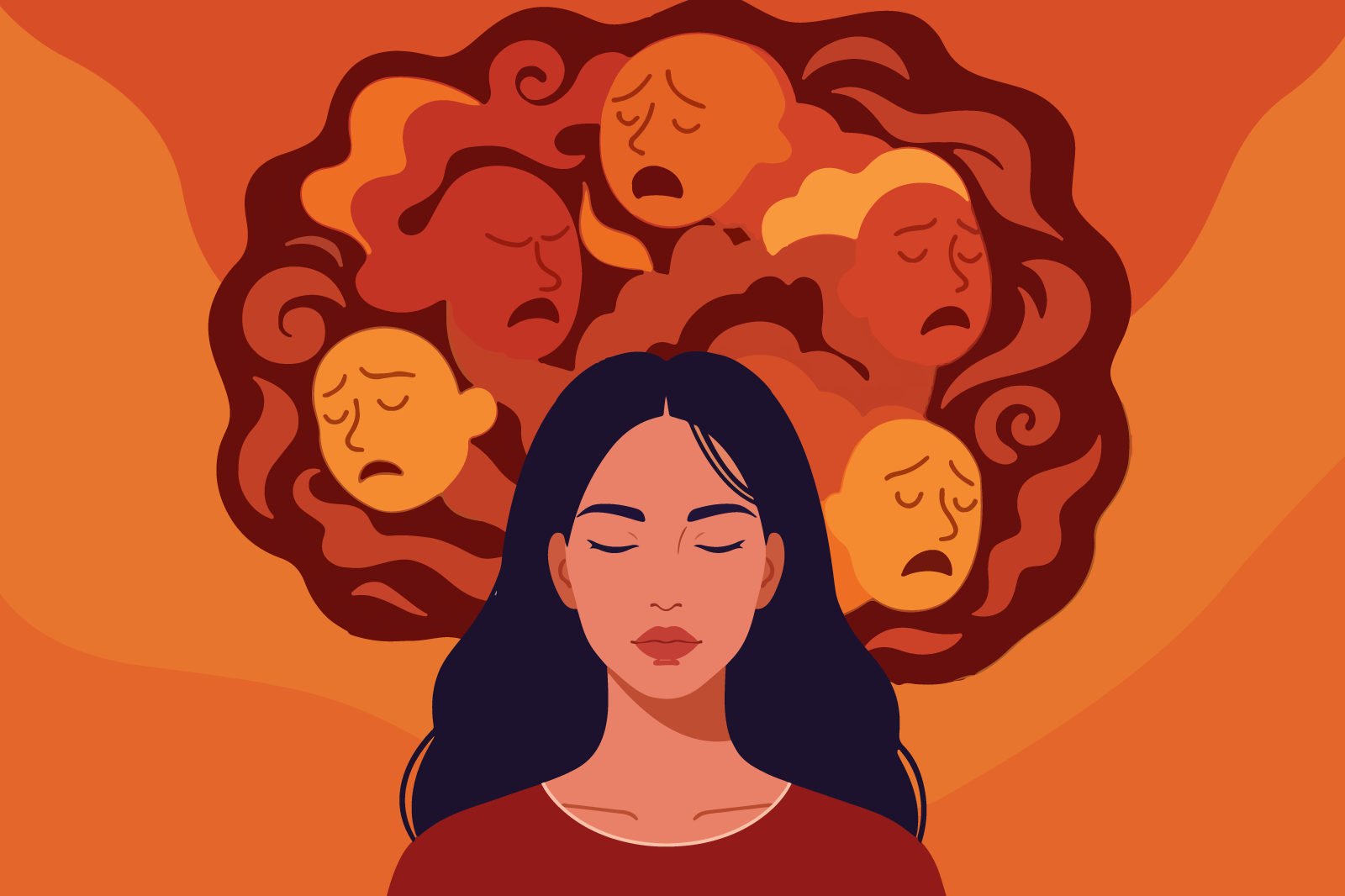
Anger constricts the breath, and in that constriction, we often become prisoners of instant reaction. Those short, shallow breaths are the primal sirens of the body's defense system, mistaking a real, life-threatening danger. In reality, what's burning is often only self-image, stifled ambition, or a shattered shadow of certainty. In that narrowness of breath, the world shrinks: the view narrows to the source of the anger, common sense is silenced, and the only visible way out is to explosively expel everything that feels hot and painful in sharp words or rash actions.
But this is where the magic of mindfulness comes in. When we become aware of our breathing pattern becoming rapid and shallow, we actually discover a control lever directly connected to the nervous system. Conscious breaths, intentionally drawn deeper and longer, act like anchors cast into the turbulent sea of emotions. They don't suppress or deny anger, but rather give it space so it no longer has the urge to explode. Each deliberate breath is an invitation to pause, take a step back from the cliff of impulsiveness, and see the bigger picture.
The space between stimulus and response is the fertile ground where wisdom grows. Without space, we are mere puppet reactions pulled by momentary emotions. Deep, measured breathing creates that space. It slows psychological time, allowing us to ask ourselves, "What is really hurting here? Is it about the present moment, or is it about an old wound being touched? What do I truly want to hurt or resolve?" This process of asking questions itself dampens the heat, as it shifts energy from the emotional center of the amygdala to the reasoning center of the prefrontal cortex.
Ultimately, expanding the breath is expanding understanding. When the chest and lungs open wide, space is created not only for oxygen but also for compassion, both for oneself struggling and for others who may also be acting out of their own wounds. The patience born of this deep breath is not passivity or resignation, but rather focused strength. It is the courage to remain present with discomfort, without rushing to end it with an explosion that would only prolong the chain of suffering.
Thus, breathing becomes the most elemental practice of self-mastery. Each long, calm exhale is a small victory over reactive patterns. We learn that we are not our anger. We are the awareness that watches it come and go, like clouds in the vast sky of awareness. And the sky itself is untainted by passing clouds. By practicing breathing, we recall our deeper identity, not as transient waves of emotion, but as an ocean of awareness capable of accommodating all waves without drowning in them. This is true expansion, not merely restraint, but transformation from within, starting with the simplest, most personal, and always-present inhalation and exhalation of breath.
Dian Sukma
Founder & Supermaster of Matano Breathing Technique

11 Jul 2025

01 Jan 2026
